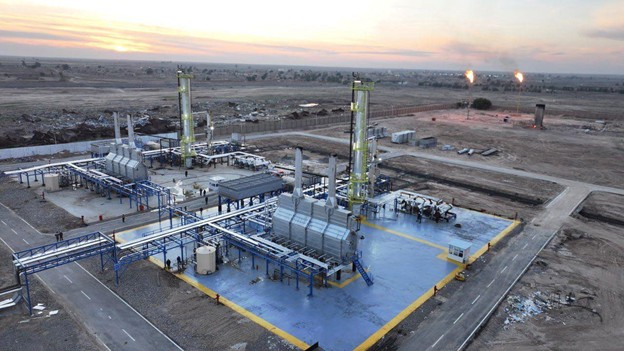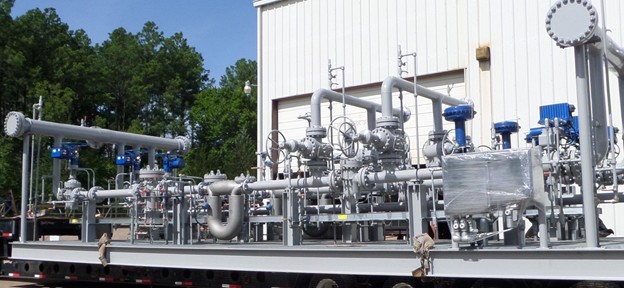
Qimat Al-Maarefa for Industrial Construction, Investment, and Development possesses extensive experience in executing and managing projects in the oil and gas industries
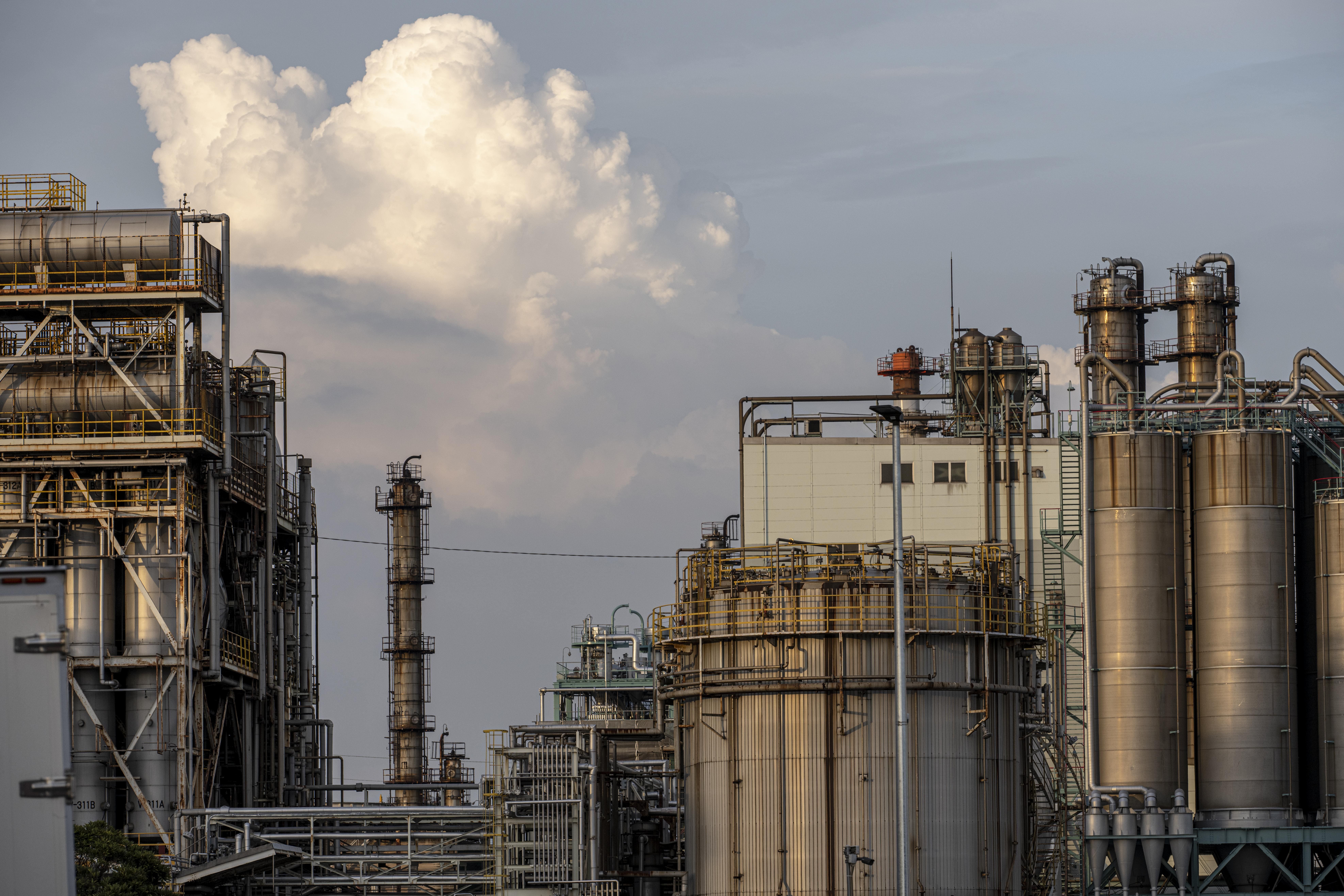
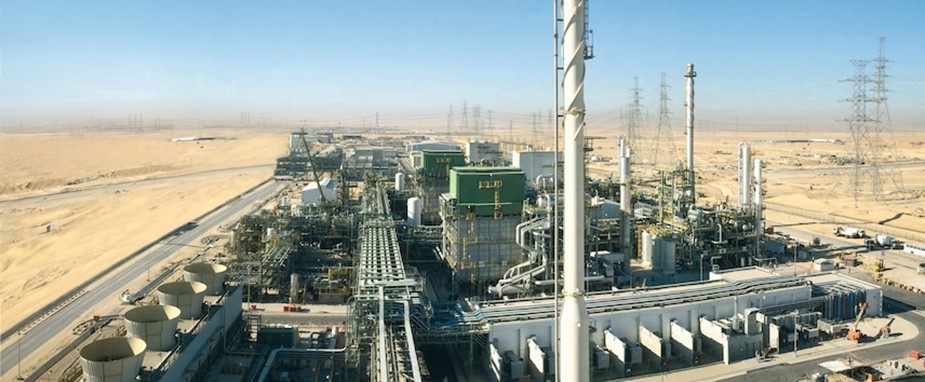
Qimat Al-Maarefa for Industrial Construction, Investment, and Development possesses extensive experience in executing and managing projects in the oil and gas industries, establishing itself as a trusted partner in this critical sector. Our expertise covers the development of oil infrastructure, oil and gas processing facilities, fabrication and installation of industrial equipment, safety systems, and specialized technical support services. We have delivered successful projects in high-risk operational environments, adhering strictly to international standards of safety and quality, while leveraging advanced automation and control systems (DCS / PLC / ESD). Our tailored solutions serve refineries, export terminals, treatment units, and storage depots—covering the entire lifecycle from engineering design to commissioning. Backed by a skilled workforce and strong strategic alliances, Qimat Al-Maarefa is committed to delivering efficient, innovative, and sustainable solutions that meet the evolving technical and environmental requirements of the oil and gas industry in Iraq and the broader region.
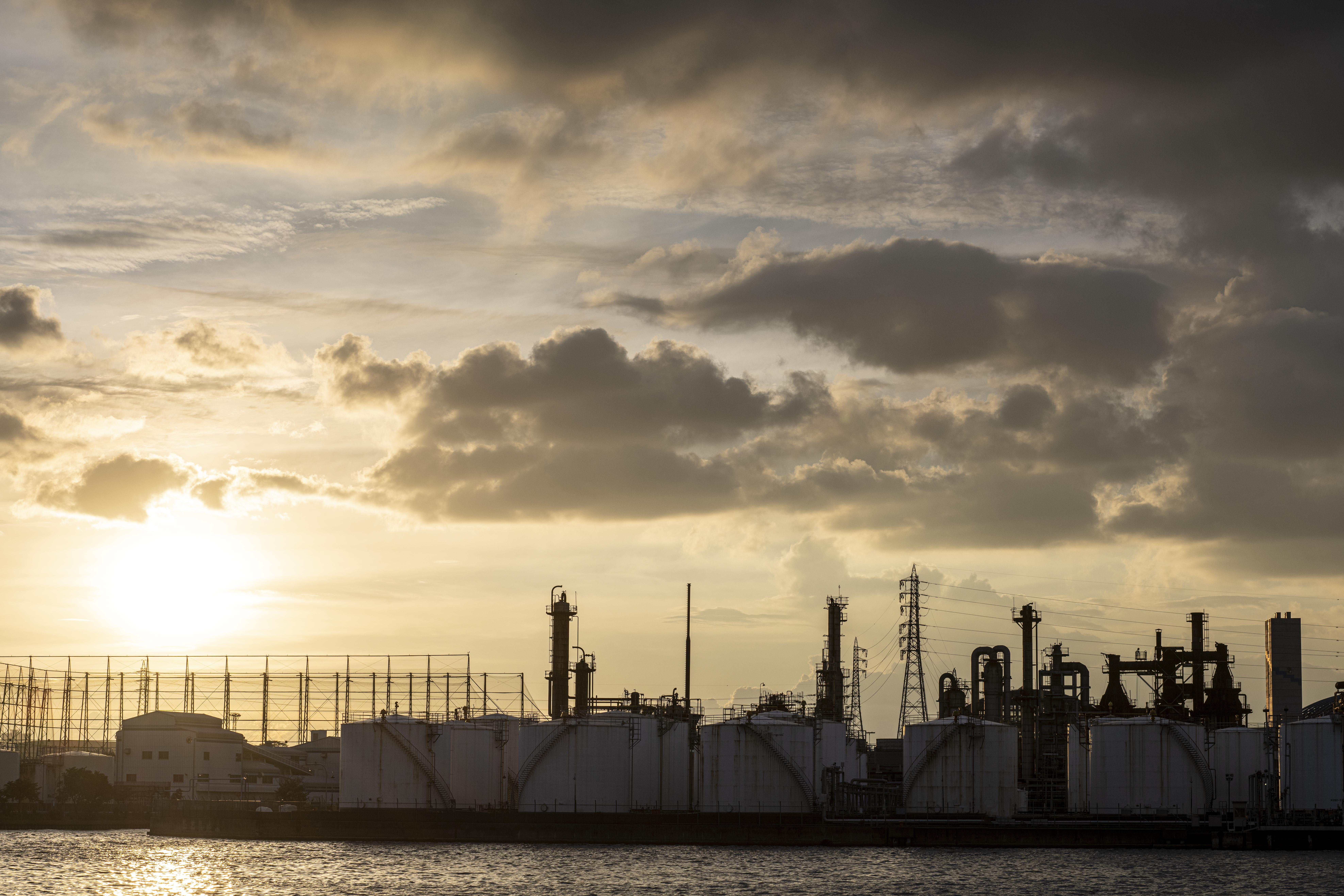
This is the first and most fundamental stage of the oil industry, involving geological surveying, well drilling, and the extraction of crude oil from underground reservoirs.
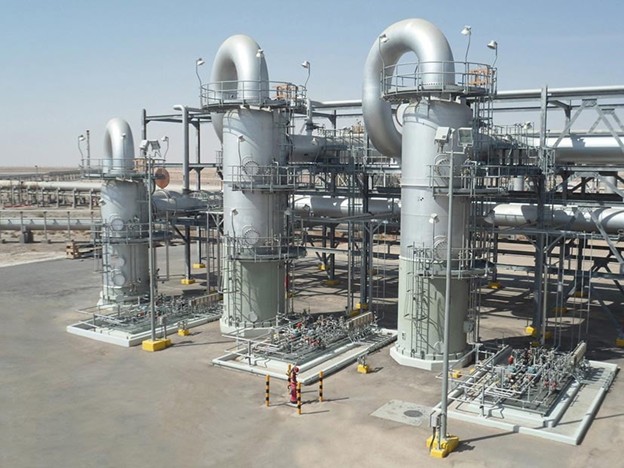
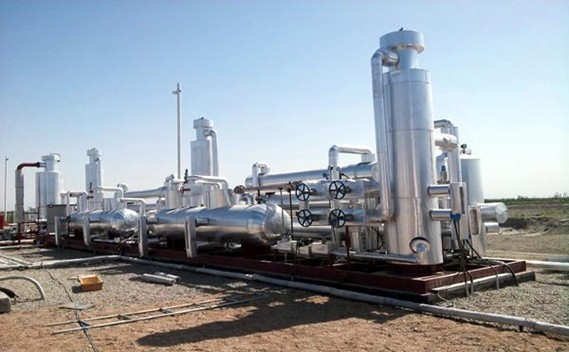
The Gas Recovery Unit (GRU) is a vital auxiliary system in refineries and oil & gas processing facilities. Its main purpose is to recover light hydrocarbon gases from vent streams or flare gases, instead of releasing or burning them. This unit captures components such as ethane, propane, butane, and dry gas (methane) for further use as fuel or feedstock in downstream units.
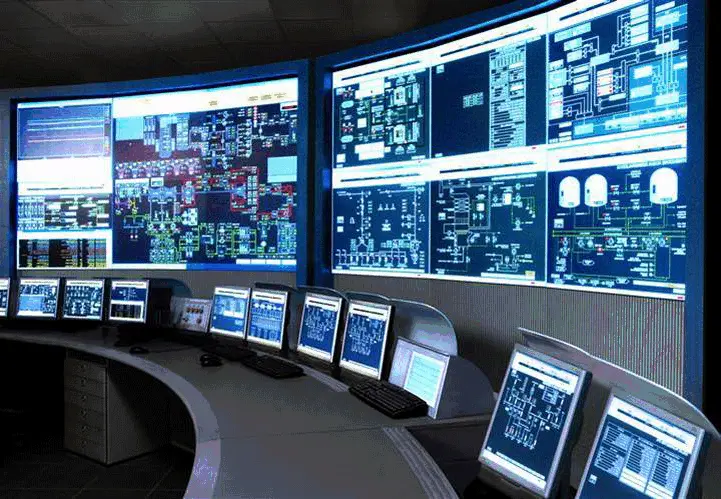
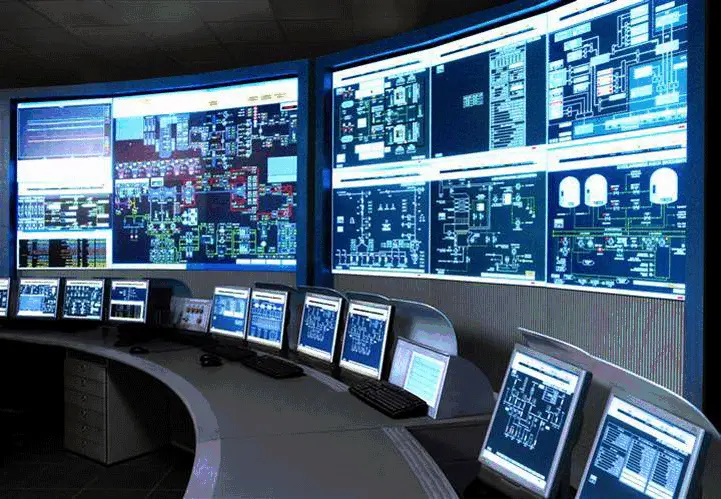
Control and automation systems are fundamental to the infrastructure of modern refineries, industrial plants, and process facilities. These systems enable remote monitoring and control of operations with high reliability and operational safety. Depending on the complexity and nature of the industrial process, various systems are deployed, including Distributed Control Systems (DCS), Programmable Logic Controllers (PLC), and Emergency Shutdown / Safety Instrumented Systems (ESD / SIS).
The hydrogen production unit is designed to generate high-purity hydrogen gas used in key applications such as hydrocracking, fuel desulfurization, ammonia synthesis, and various chemical treatments. Hydrogen is typically produced via Steam Methane Reforming (SMR), though alternative methods like gasification and electrolysis are also employed depending on feedstock and energy strategy. These units focus heavily on energy recovery efficiency, impurity removal, and precise temperature/pressure control to ensure consistent high-purity hydrogen output.
Loading and unloading systems are critical infrastructure components in refineries, industrial facilities, and petrochemical plants. These systems are used to transfer liquid, gas, or bulk materials to and from storage tanks, trucks, railcars, or marine vessels, ensuring safe, efficient, and continuous logistical operations. A typical loading/unloading system includes loading arms or industrial hoses, control valves, high-capacity pumps, and monitoring instruments such as flow meters, pressure and temperature sensors, and automated level gauges. These components are often integrated with control systems (DCS or PLC) for precise, real-time operational management.
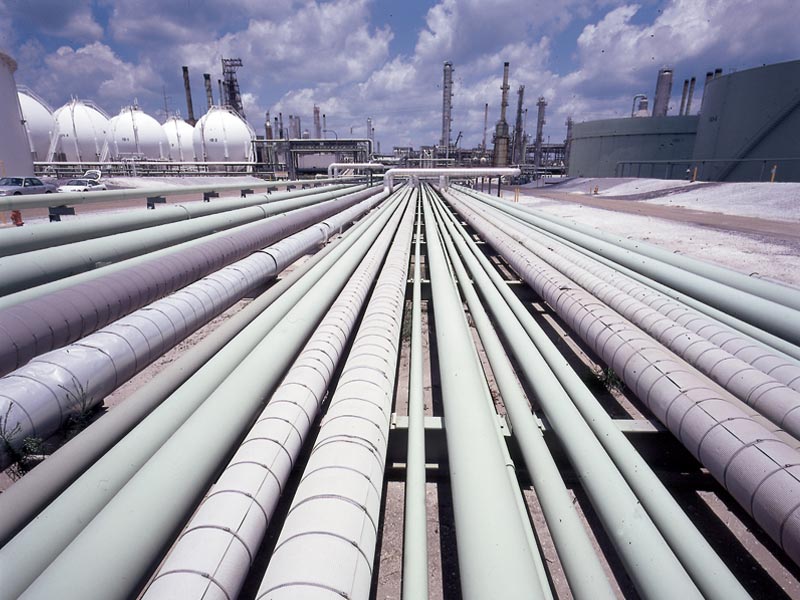
This stage covers the movement of crude oil and refined products through pipelines, tankers, and specialized terminals, ensuring safe and continuous supply.
Hydrotreating units are essential components of modern refineries, designed to improve the quality of petroleum fractions by removing impurities such as sulfur, nitrogen, heavy metals, and polyaromatics. These units rely on hydrogen gas and specialized catalysts, operating under high-pressure and high-temperature conditions to ensure efficient and safe chemical conversion.
Control and automation systems are fundamental to the infrastructure of modern refineries, industrial plants, and process facilities. These systems enable remote monitoring and control of operations with high reliability and operational safety. Depending on the complexity and nature of the industrial process, various systems are deployed, including Distributed Control Systems (DCS), Programmable Logic Controllers (PLC), and Emergency Shutdown / Safety Instrumented Systems (ESD / SIS).
Loading and unloading systems are critical infrastructure components in refineries, industrial facilities, and petrochemical plants. These systems are used to transfer liquid, gas, or bulk materials to and from storage tanks, trucks, railcars, or marine vessels, ensuring safe, efficient, and continuous logistical operations. A typical loading/unloading system includes loading arms or industrial hoses, control valves, high-capacity pumps, and monitoring instruments such as flow meters, pressure and temperature sensors, and automated level gauges. These components are often integrated with control systems (DCS or PLC) for precise, real-time operational management.
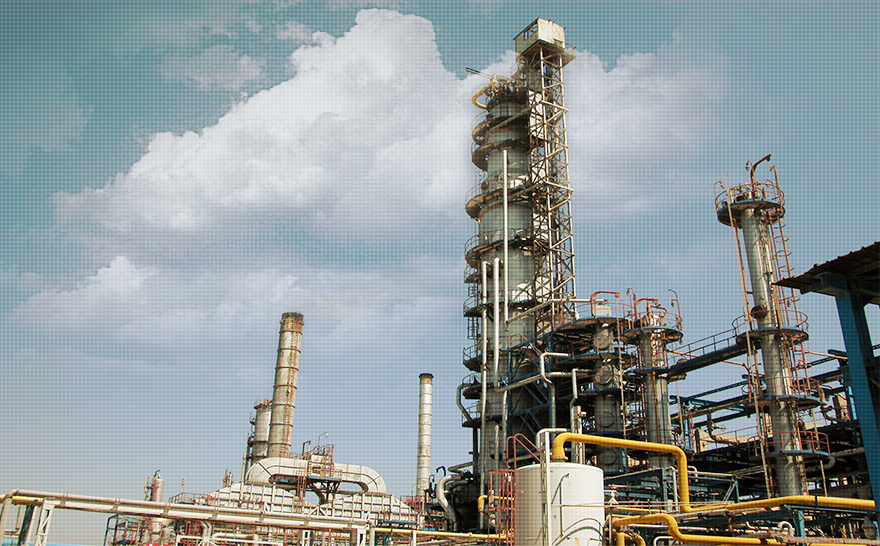
At this stage, crude oil is transformed into usable products like gasoline, diesel, and LPG through complex refining processes such as distillation, catalytic cracking, and hydroprocessing.
The Atmospheric Distillation Unit (ADU) is the primary and initial processing unit in a refinery, used to separate crude oil into various fractions based on their boiling points under normal atmospheric pressure.
The Vacuum Distillation Unit (VDU) is the next phase after atmospheric distillation and is used to extract heavy oil fractions under reduced pressure, allowing for their separation without thermal cracking.
The catalytic cracking unit is one of the most vital operational units in modern refineries. It is used to convert heavy fractions like heavy gas oil into light, high-value products such as gasoline, cooking gas, and light gas oil.
The hydrocracking unit stands as one of the most advanced and strategically important units in modern refineries.
The Catalytic Reforming Unit is a vital component in modern refineries, playing a central role in upgrading heavy naphtha into high-octane reformate used for gasoline blending.
Lubricant and grease production units are integral components of oil refineries, responsible for processing heavy distillates and by-products from vacuum distillation into base oils and industrial greases used across a wide range of applications. These units are critical in producing high-quality lubricants required in the manufacturing of engine oils, industrial lubricants, heavy machinery maintenance products, and precision mechanical systems.
Control and automation systems are fundamental to the infrastructure of modern refineries, industrial plants, and process facilities. These systems enable remote monitoring and control of operations with high reliability and operational safety. Depending on the complexity and nature of the industrial process, various systems are deployed, including Distributed Control Systems (DCS), Programmable Logic Controllers (PLC), and Emergency Shutdown / Safety Instrumented Systems (ESD / SIS).
The final stage in the oil value chain involves the storage and distribution of refined products to retail stations and industrial clients.
Loading and unloading systems are critical infrastructure components in refineries, industrial facilities, and petrochemical plants. These systems are used to transfer liquid, gas, or bulk materials to and from storage tanks, trucks, railcars, or marine vessels, ensuring safe, efficient, and continuous logistical operations. A typical loading/unloading system includes loading arms or industrial hoses, control valves, high-capacity pumps, and monitoring instruments such as flow meters, pressure and temperature sensors, and automated level gauges. These components are often integrated with control systems (DCS or PLC) for precise, real-time operational management.
Control and automation systems are fundamental to the infrastructure of modern refineries, industrial plants, and process facilities. These systems enable remote monitoring and control of operations with high reliability and operational safety. Depending on the complexity and nature of the industrial process, various systems are deployed, including Distributed Control Systems (DCS), Programmable Logic Controllers (PLC), and Emergency Shutdown / Safety Instrumented Systems (ESD / SIS).
Other oil services